Artist Statement
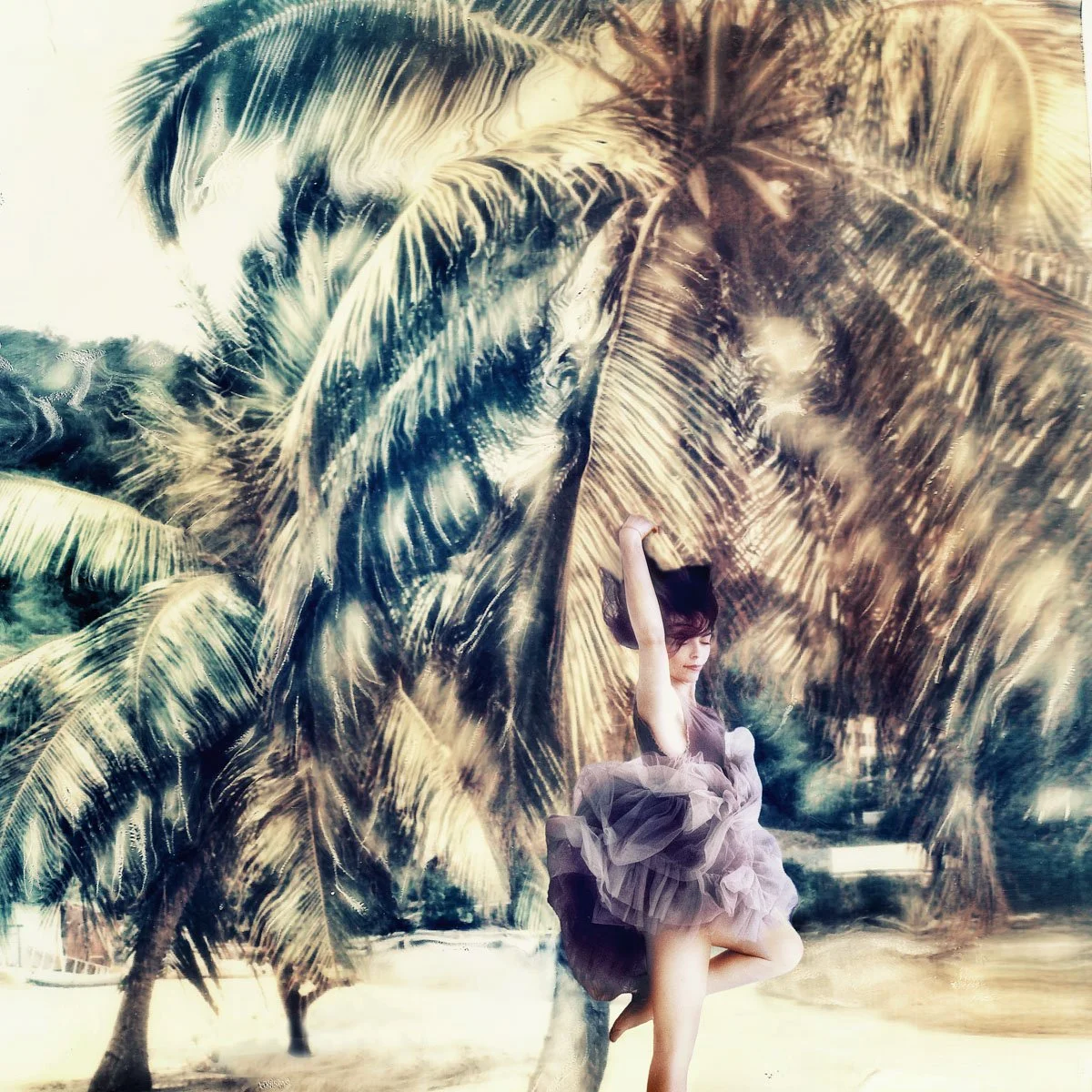
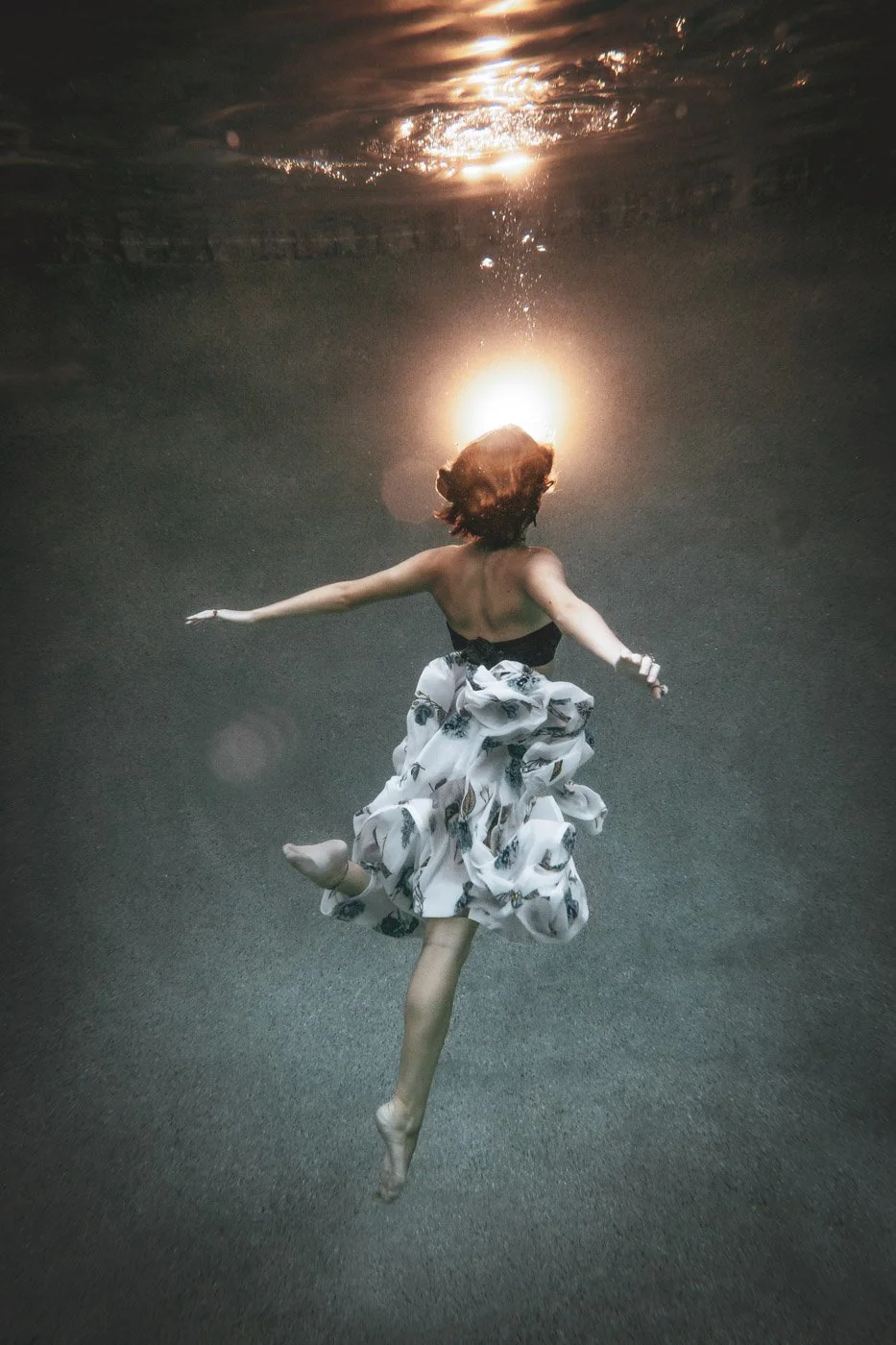
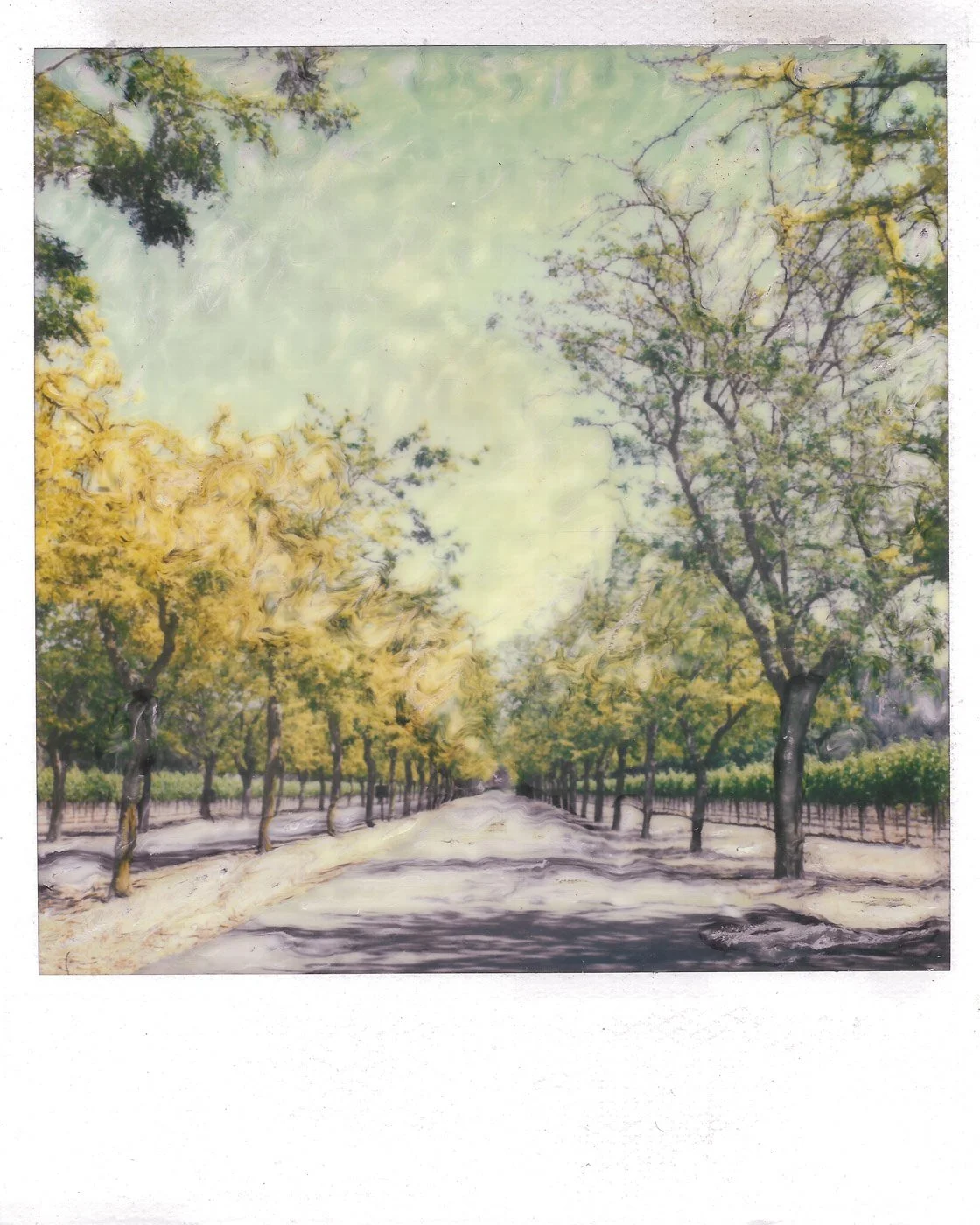
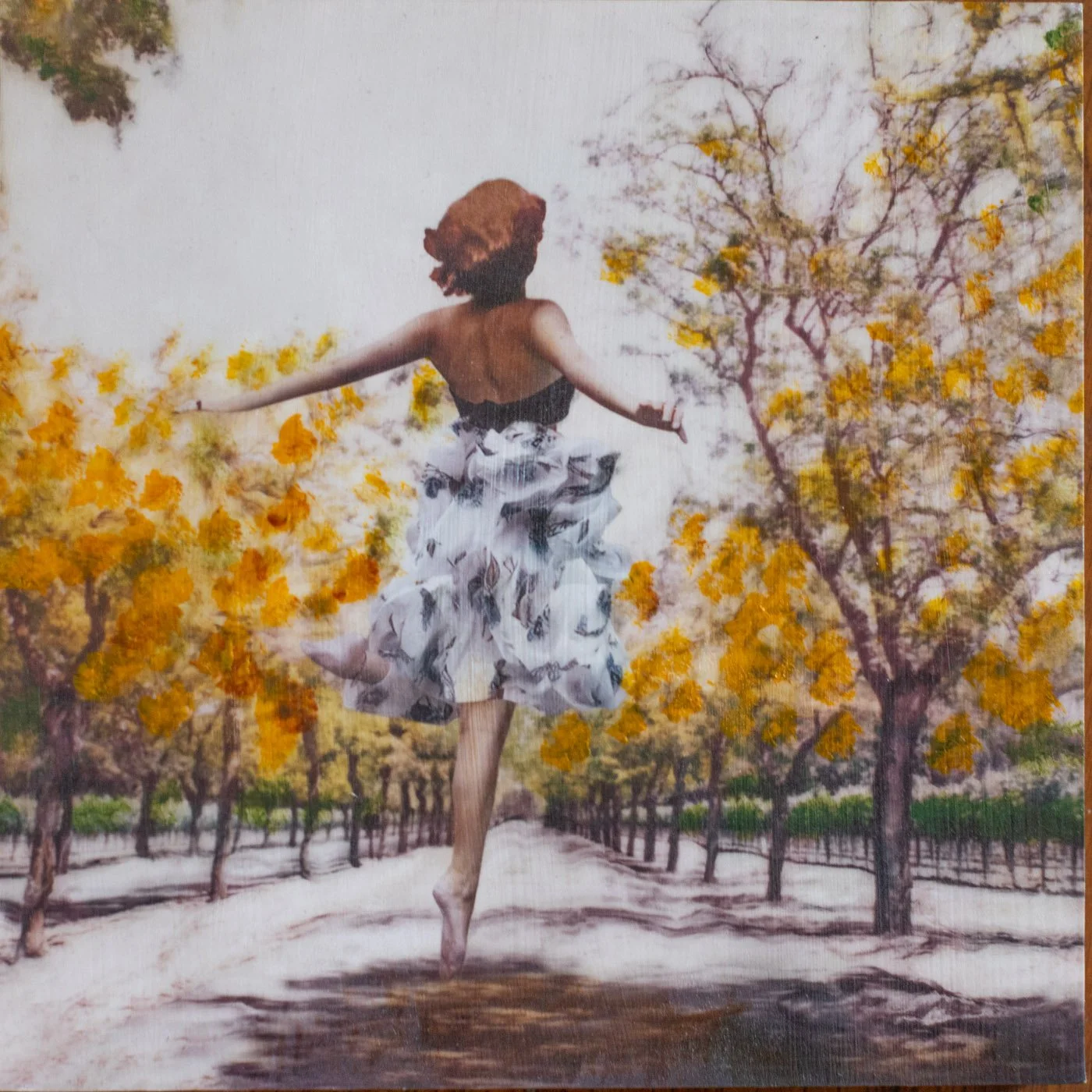
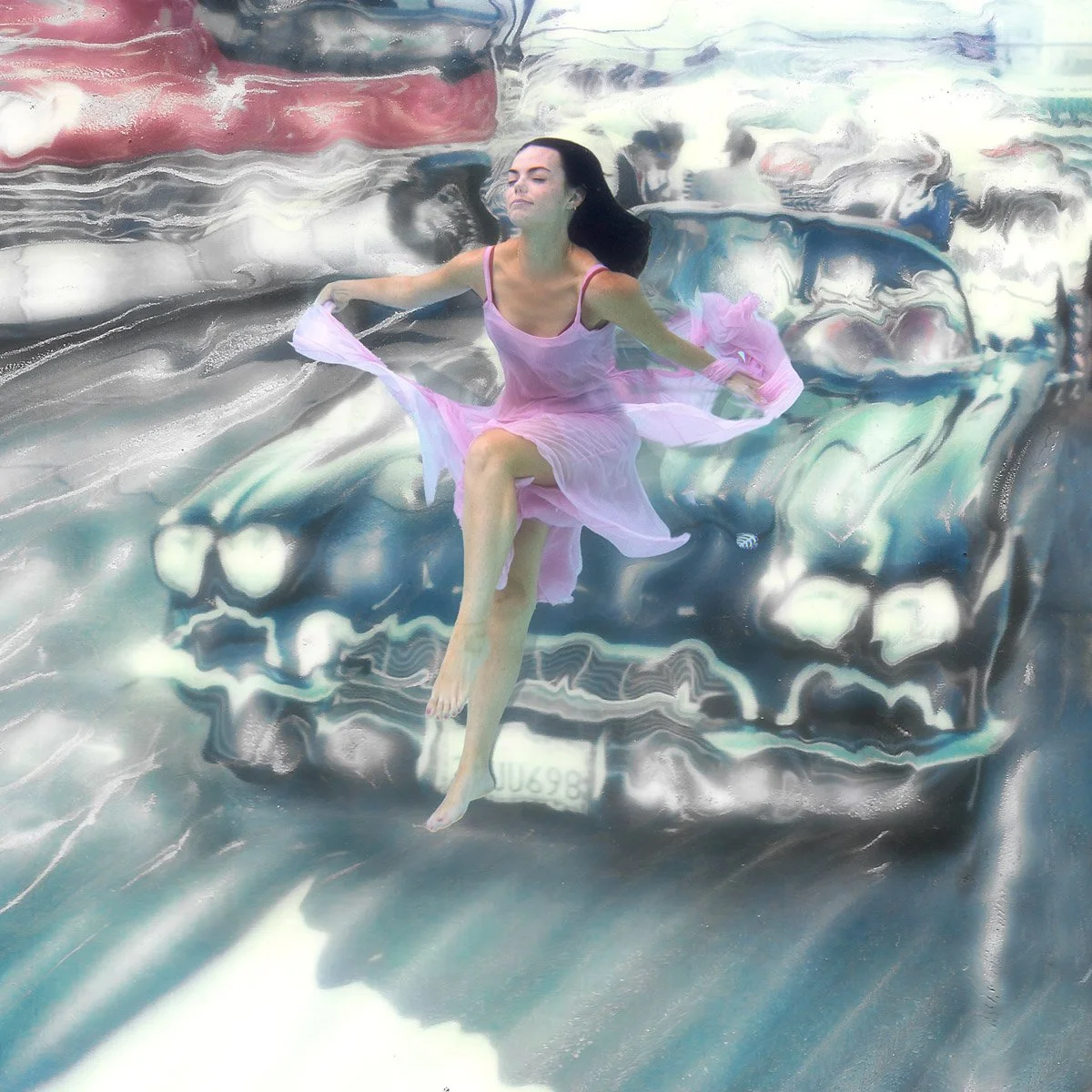
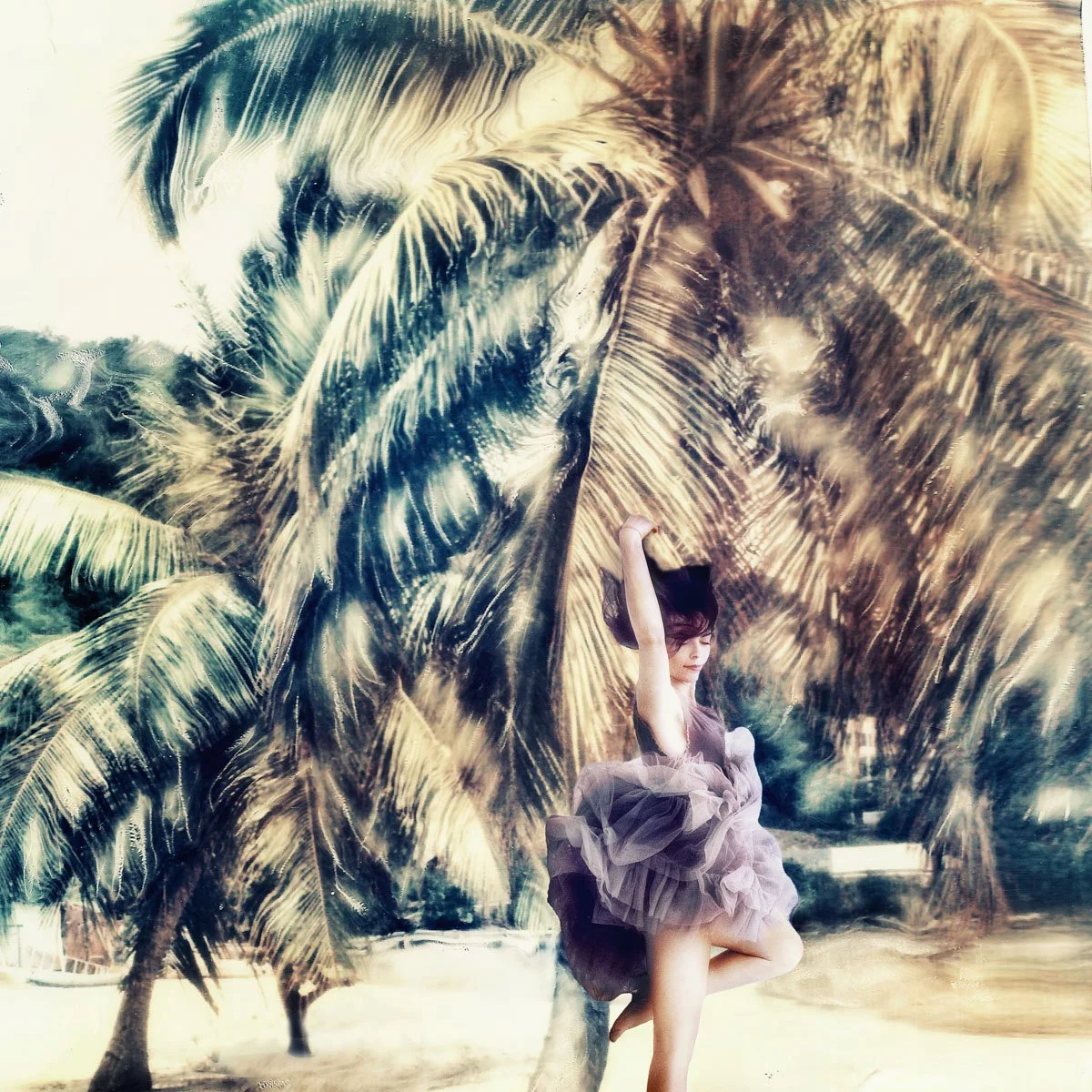
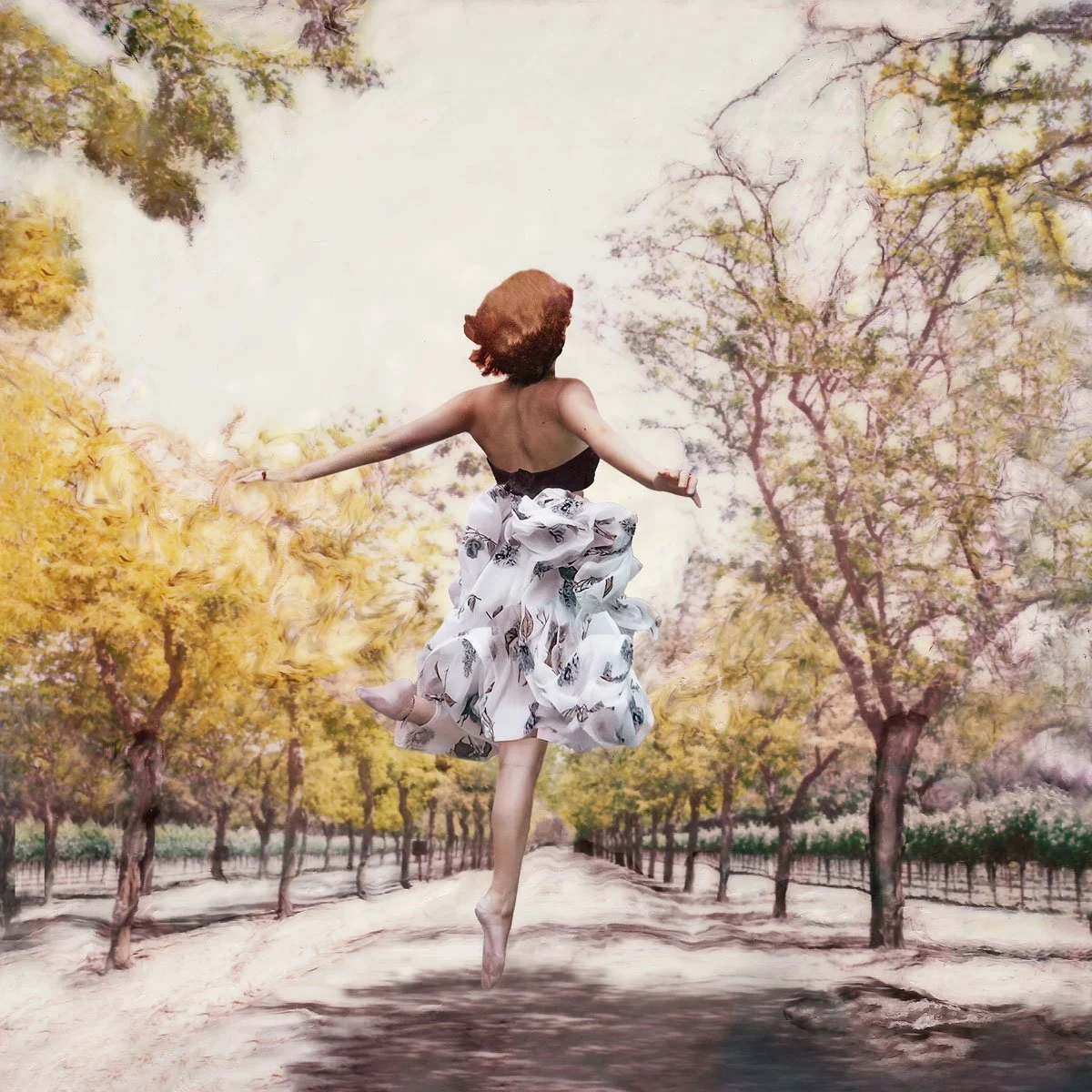
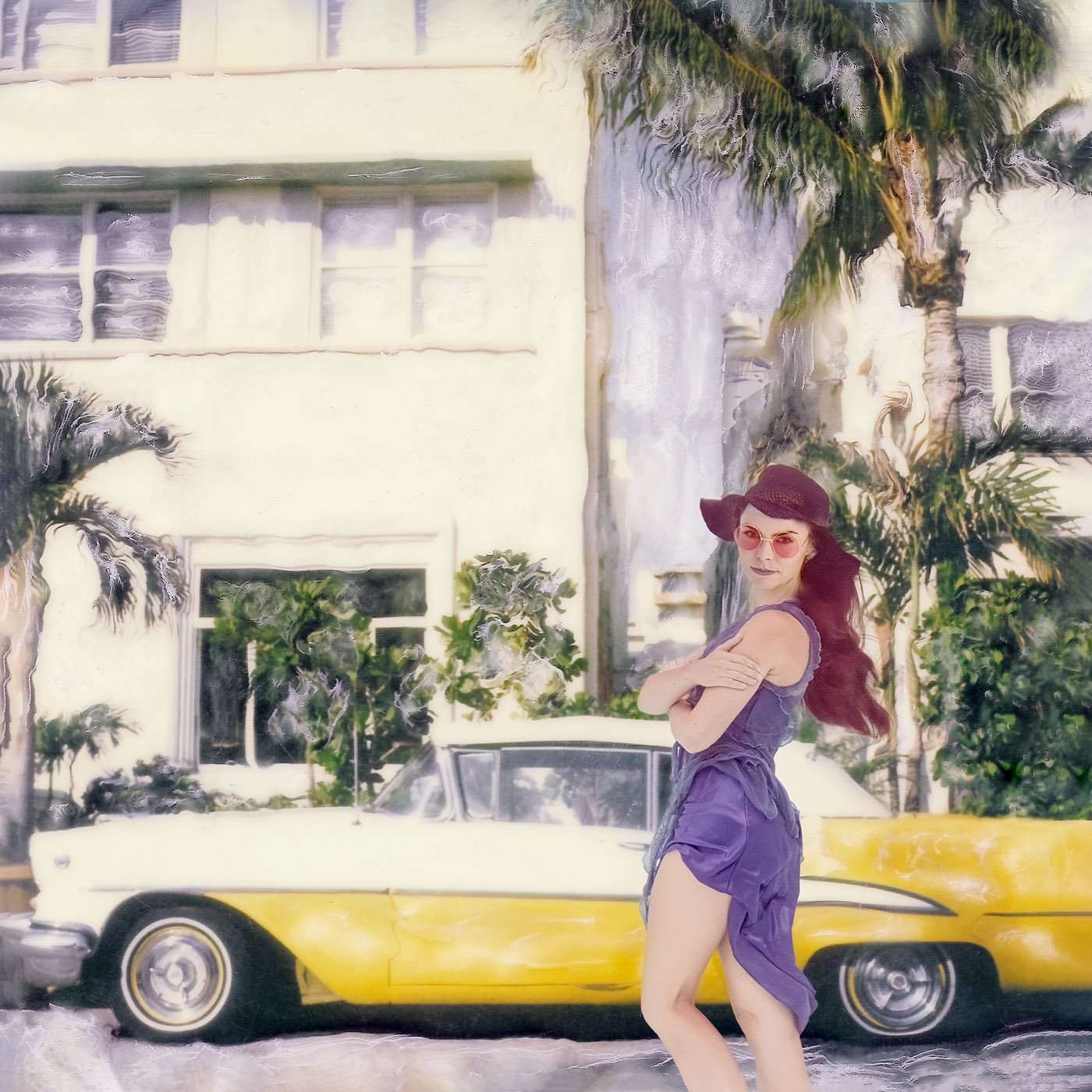
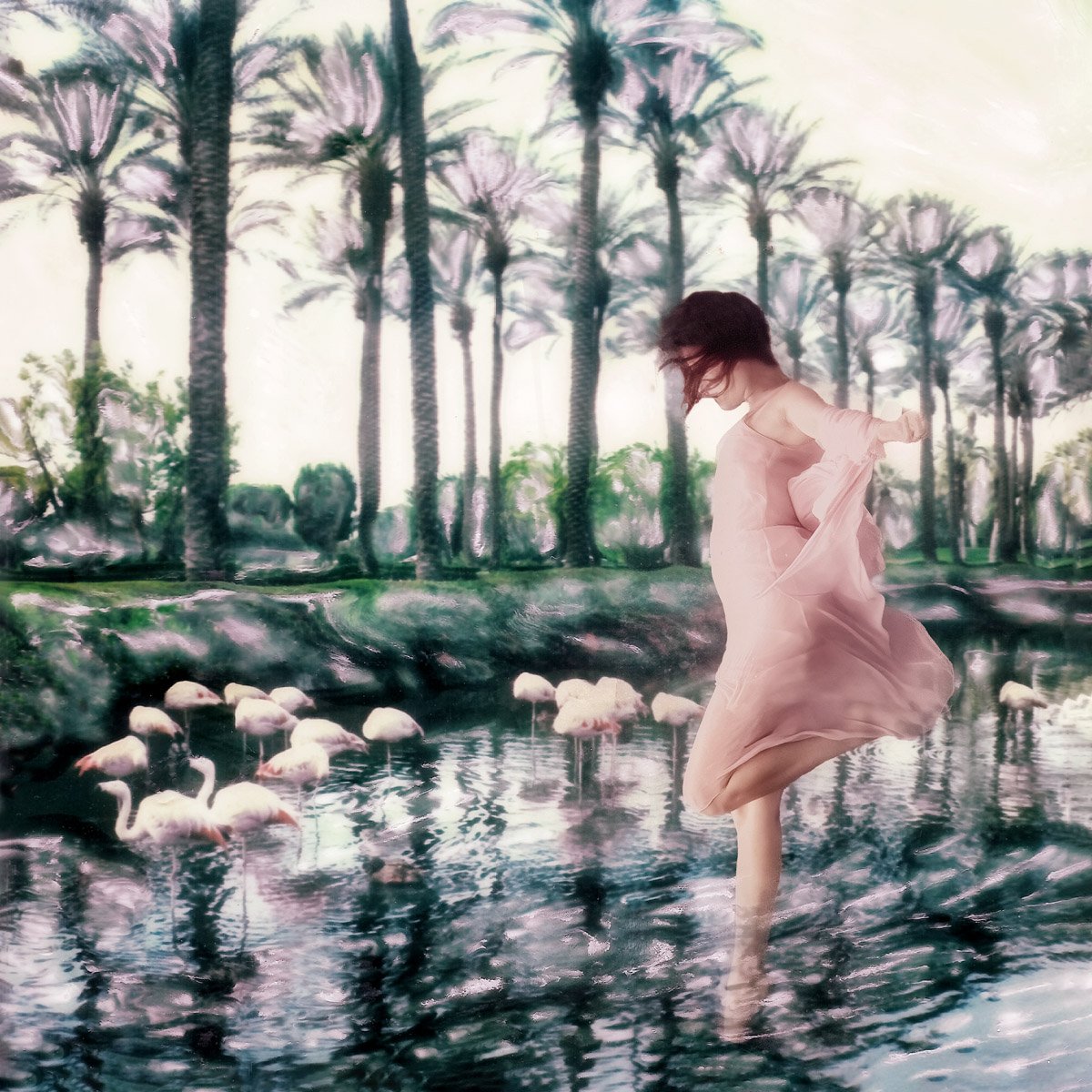
I create underwater photographs and combine them with altered Polaroids. While the Polaroids develop, I move the emulsion before it fully sets, shaping the image by hand. This technique, known as SX-70 Polaroid manipulation, was widely practiced before those films were discontinued. The Polaroids are scanned and composited with the underwater photographs, preserving the texture and movement of the manipulated emulsion.
The process is unpredictable and influenced by touch, temperature, and time. Like being underwater, where the body shifts with light and buoyancy, the images are changed by their conditions. Both processes resist control and develop into a softness with an ethereal quality. Some works are finished by hand with acrylics or pastels, adding to the softness and painterly feel.
Both images seemed to exist in the same ethereal place — soft, dreamlike, and belonging together.
About the Technique: SX-70 Polaroid Manipulation
The SX-70, launched in 1972, became a cultural icon of instant photography. Artists discovered that its original Time-Zero film remained soft for several minutes after development — long enough to push, blend, and reshape the emulsion by hand using crochet needles, wooden sticks, or burnishing tools. The result was painterly, impressionistic, and impossible to fully repeat. The Time-Zero film was discontinued in the early 2000s, and modern re-engineered SX-70 film hardens too quickly for the same techniques. These works cannot be replicated.